
Pruning and Laying a Native Hedge for Wildlife
Why lay rather than trim
A hedge that is flailed every autumn slowly falls apart. The cutters skim the top, the base thins out, and within a decade you have a row of leggy stems with gaps at the bottom and little in the way of shelter. Laying does the opposite. Each stem is cut part-way through near the ground, bent over sideways and woven into its neighbours, keeping the sap flowing through a thin hinge of bark and living wood. The shock of the cut triggers fresh growth from the stool, and the pleachers themselves knit into a dense, layered thicket.
That thicket is exactly what wildlife wants. A well-laid hedge gives you a thorny tangle at ground level for wrens, dunnocks and robins, a sturdy fork higher up for chaffinches and whitethroats, sheltered leaf litter for beetles and hedgehogs, and a wind-filter rather than a solid wall. On an exposed coast, that last point matters enormously: a laid hedge lets the gale through in slivers instead of taking the full force on a hard face, which is why it lasts so much longer in salt-laden wind.
When to lay, and when to leave well alone
The laying season runs from leaf fall to bud burst — roughly November to early March. Sap is down, the wood is supple, and the hedge will regenerate strongly in spring. It also sits safely outside the bird nesting season, which is protected by law from March to August. Do not be tempted to start in October or finish in April because the weather suits you; a hedge full of nesting blackbirds is not somewhere to swing a billhook.
A few practical conditions:
- Avoid hard frost. Frozen wood snaps instead of bending, and frozen ground makes staking miserable work.
- Pick a still day on the coast. Windburn and salt spray stress the freshly cut stems, and you will struggle to bind straight in a gale.
- Work in sections you can finish. A half-laid hedge left for three weeks can die back badly.
- Check before you start. Removing an "important" hedgerow may need permission under the Hedgerows Regulations 1997, but laying one does not.
Choosing the right species for an exposed coast
If you are planting a new hedge or gap-filling an old one, the species list matters as much as the technique. Hawthorn is the backbone of almost every British hedge and shrugs off salt reasonably well. Holly is tougher still and will hold a front line against wind that would shred a hazel. Blackthorn suckers freely, flowers early for pollinators, and gives you sloes for gin in a good year.
For a mixed, wildlife-rich coastal hedge, aim for five to eight natives:
- Front line: holly, hawthorn, wild privet, gorse.
- Sheltered rows behind: hazel, field maple, dog rose, guelder rose, spindle, elder.
- Ground layer: leave bramble and ivy where you safely can — they are some of the best nesting and nectar plants in the country.
Plant whips in two staggered rows about 40cm apart within the row, and water them well for the first two summers. Keep grass and weeds clear around the base for at least a year.
The cut that makes the hinge
You will need a billhook or a sharp bow saw, lopping shears, secateurs, thick gloves and eye protection. Start with the stems you intend to remove entirely, then work along the line.
Take each stem and make a sloping cut on the side facing the direction you intend to lay it, about 2.5–5cm above ground level for strong, thumb-thick stems, a little higher for thin or weak ones. Cut down at roughly 30 degrees, but stop short of severing the stem. What you want is a hinge of two to four centimetres of bark and sapwood still connecting pleacher to stool. Bend the stem gently downwards and sideways — if it flexes cleanly, the hinge is right. If it cracks and splinters, the cut was too shallow, so ease it back upright and cut a fraction deeper.
Lay the stems at 30–45 degrees from horizontal, weaving each one behind the next, and lay in the direction the prevailing wind blows so that gusts press the hedge down rather than lifting it. Leave a standard — oak, ash or field maple — every 10 to 15 metres to grow up into a small tree. These are the song posts and future nest sites that lift a hedge from good to exceptional.
Staking, binding and leaving a little mess
Drive stakes every 45–60cm along the centre line, sinking them 30–45cm into the soil and leaving them proud of the pleachers by about 10cm. Then bind along the tops with hazel sallies, willow withies or tarred twine, pulling each wrap tight so the hedge cannot spring back. Trim any ragged stem ends at an angle so water runs off.
Resist the urge to tidy everything. Stack cut brash in a corner as a habitat pile, leave a few logs and some dead wood, and let leaf litter build up under the hedge. All of it feeds the invertebrates that feed the birds.
The first year and beyond
Leave the hedge alone for a full growing season. The following winter, trim the sides lightly — never the top — and only in late winter, once the worst of the cold has passed and before nesting begins. After that, cut on a two or three-year rotation, alternating sides, so some flowers and berries are always available. Let the hedge grow up to two metres or more where space allows; tall, thick hedges support far more wildlife than short, tight ones.
Lay again in 15 to 25 years, depending on growth. In the meantime you will have created the single most valuable habitat feature most coastal gardens can offer: shelter, food, nesting cover and a corridor for everything that moves through your patch.


Take semi-ripe cuttings from healthy shoots in late summer. Dip in rooting hormone, place in gritty compost, and keep humid until roots form.
Gorse thrives in poor, sandy soil and full sun. Choose a sheltered spot, avoid rich compost, and prune lightly after flowering to keep plants compact.
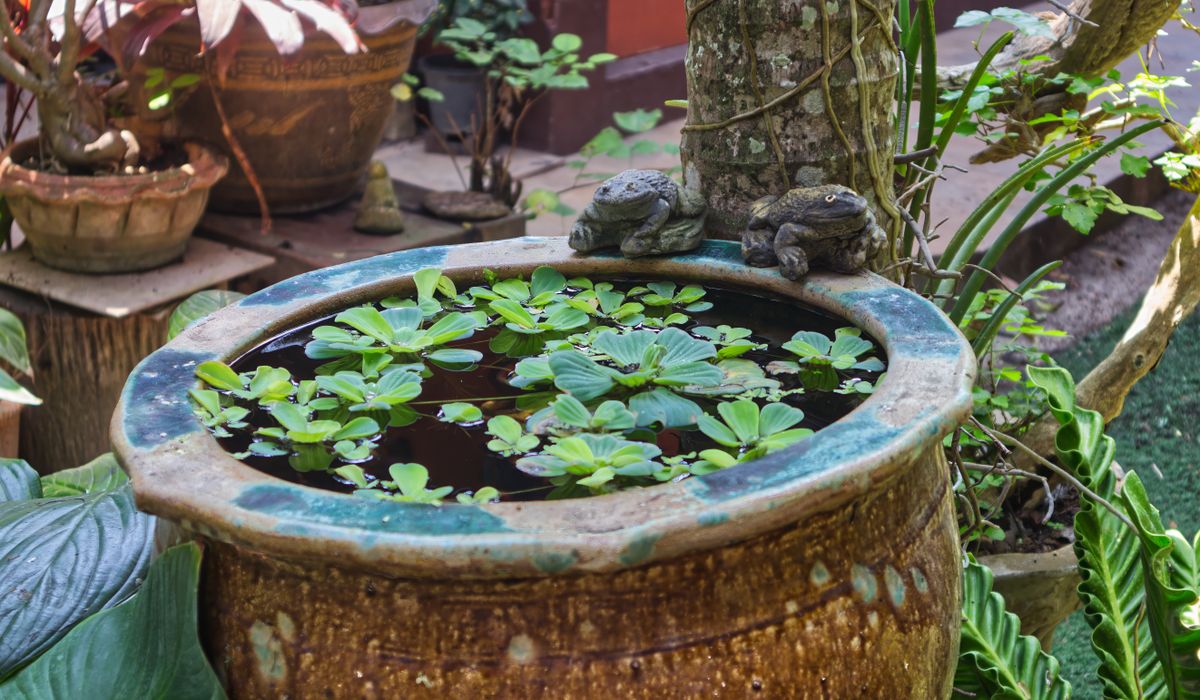
A shallow pond with gentle slopes lets frogs and newts enter safely. Add native oxygenators and leave wild edges for shelter and emerging insects.
Prune hazel and hawthorn in late winter, while spring-flowering shrubs prefer trimming after blooms fade. Always check for nesting birds before cutting.