
Using Scent and Texture for a Sensory Garden
A garden you can feel as much as see
Most gardens are designed for the eye alone, which is a shame, because scent and texture are the senses that stay with you longest. A coastal garden makes this lesson plain. Salt-laden winds hurry you along paths, so anything you plant needs to work quickly and generously on the nose and the fingertips. Scent in particular travels beautifully in damp sea air, and the same breeze that scorches tender foliage will carry the smell of thyme twenty feet along a path.
The trick is to stop designing in two dimensions. Treat the path as a spine and build layers of touch, smell and sound along it, so a short walk to the shed becomes a small event. Below are the plants, surfaces and details that earn their keep.
Plant a fragrant ribbon along the path
Put scent where you will brush against it, not where you have to bend. A narrow band of low, aromatic plants either side of the path does more for a sensory garden than a whole bed of lilies at the back of a border.
- Wild thyme (Thymus polytrichus) is the star of a coastal path. It hugs the ground, adores free-draining sandy soil, and releases its scent the moment a foot grazes it. Plant it in the gaps between paving and let it spill.
- Lamb's ear (Stachys byzantina) is not a British native, but few plants offer such soft, felted silver leaves, and it shrugs off salt wind. It is irresistible to children. If you want a native counterpart, grow betony (Stachys officinalis) nearby for its dense purple spikes.
- Wild marjoram (Origanum vulgare) gives warm, herby fragrance and pink-purple flower heads that pollinators adore through late summer.
- Lady's bedstraw (Galium verum) smells faintly of new-mown hay and looks lovely threading through the others.
- Sea thrift (Armeria maritima) is compact, pink and thoroughly at home on exposed coastal sites, though its contribution is more visual than fragrant.
Clip thyme and marjoram lightly after flowering to keep them tight and bushy. A tired, woody thyme releases very little scent.
Grasses that whisper and rustle
Sound is the most overlooked element in a sensory garden. Native grasses give you movement and a soft, papery rustle without a single moving part to maintain. Plant them in groups of three or five rather than singly, positioned where the prevailing wind will run through them.
- Tufted hair-grass (Deschampsia cespitosa) is tough, evergreen and tolerates coastal exposure. Its airy flower panicles catch low sunlight and dry to a pale straw colour.
- Purple moor-grass (Molinia caerulea) stands upright and turns a rich amber in autumn, holding its shape well into winter.
- Quaking grass (Briza media) is smaller and more delicate, with seedheads that tremble and rattle at the slightest breeze.
Leave the seedheads standing over winter. They feed the birds, hold structure when everything else has collapsed, and make a satisfying sound when the wind gets up.
Textures underfoot and at hand
The soles of your feet and the palms of your hands deserve some thought. A path of self-binding gravel gives a gentle crunch underfoot, while timber edging and smooth granite setts offer warmer and cooler contrasts. Where the path widens, set a few large flat stones so you can step off the gravel and feel the change.
In the beds, composted bark fines are worth the expense. A 5cm layer is springy underfoot, holds moisture in sandy coastal soil, suppresses weeds and slowly feeds the soil as it breaks down. Keep it clear of plant stems to avoid rotting them off, and top it up each spring.
For hands rather than feet, raise a planter or a shallow trough to waist height. Lamb's ear, thyme and a few smooth pebbles at that level make the garden usable for anyone who cannot easily bend, and give children something to touch without trampling the border.
Adding sound without gimmicks
Wind chimes divide opinion, but in a coastal garden they can be genuinely lovely if you place them thoughtfully. Hang bamboo, hardwood or slim metal chimes in a corner that is already partly sheltered — behind a hedge, under an open porch, or beside a bench — where the wind is moderated. In full exposure they clatter and corrode within a season, and metal chimes can turn shrill in a gale.
A small pebble fountain or a shallow glazed bowl with a trickle of water adds another layer, and the sound of birds is free if you provide cover. A mixed native hedge of hawthorn, blackthorn and sea buckthorn shelters the garden, feeds the birds and gives you something to brush past on the way in.
Making it work on an exposed coast
Coastal gardening is really about wind and salt, so plan for both from the start.
- Establish shelter before you plant the delicate things. A hedge or woven windbreak takes two or three years to be effective, so plant it first and be patient.
- Plant in autumn wherever possible, so roots are settled before dry summer spells and the worst of the salt spray.
- Mulch annually with bark fines in spring, and water new planting through its first two summers even if the site is naturally free-draining.
- Take chimes, lightweight ornaments and anything precious indoors before winter storms, and check ties and stakes after every gale.
Done well, a sensory coastal garden gives you something on every visit — a scent on the air, a rustle overhead, a soft leaf under your thumb. That is a garden you will actually walk through slowly, rather than hurry past.


Gorse thrives in poor, sandy soil and full sun. Choose a sheltered spot, avoid rich compost, and prune lightly after flowering to keep plants compact.
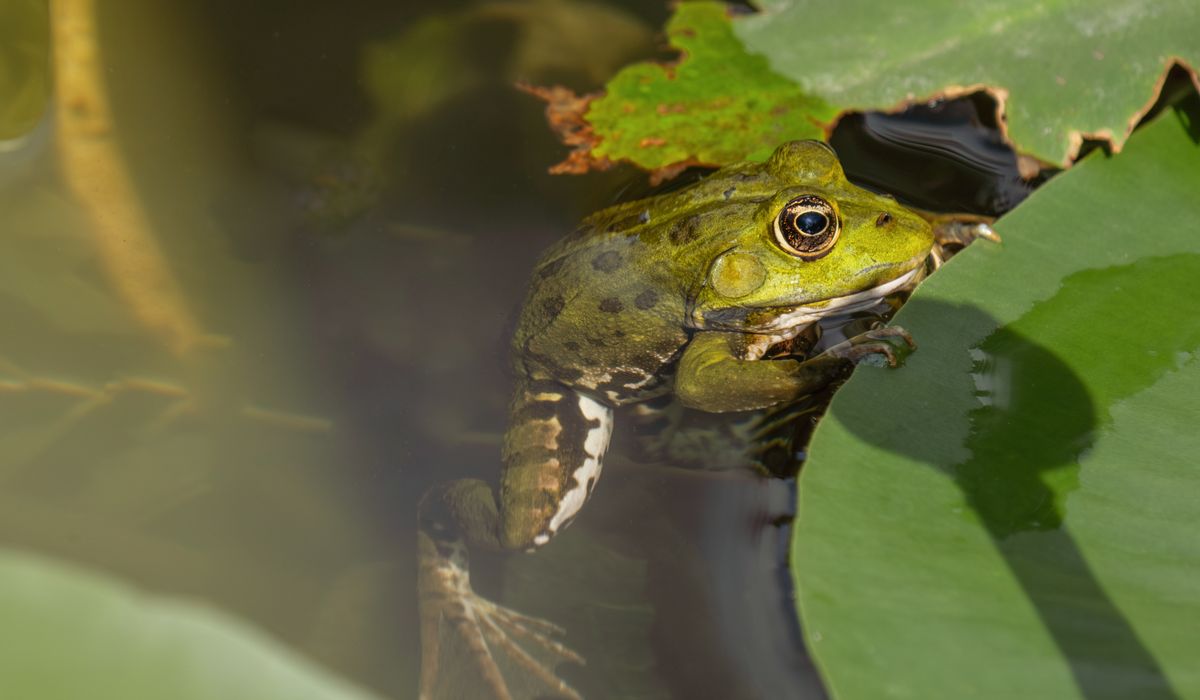
A shallow pond with gentle slopes lets frogs and newts enter safely. Add native oxygenators and leave wild edges for shelter and emerging insects.
Prune hazel and hawthorn in late winter, while spring-flowering shrubs prefer trimming after blooms fade. Always check for nesting birds before cutting.
Sea thrift, sea campion, and tamarisk cope with salt spray and strong winds. Plant in groups, mulch with gravel, and water deeply during dry spells.