
Choosing Salt-Tolerant Plants for Exposed Coastal Gardens
Why Coastal Gardens Play by Different Rules
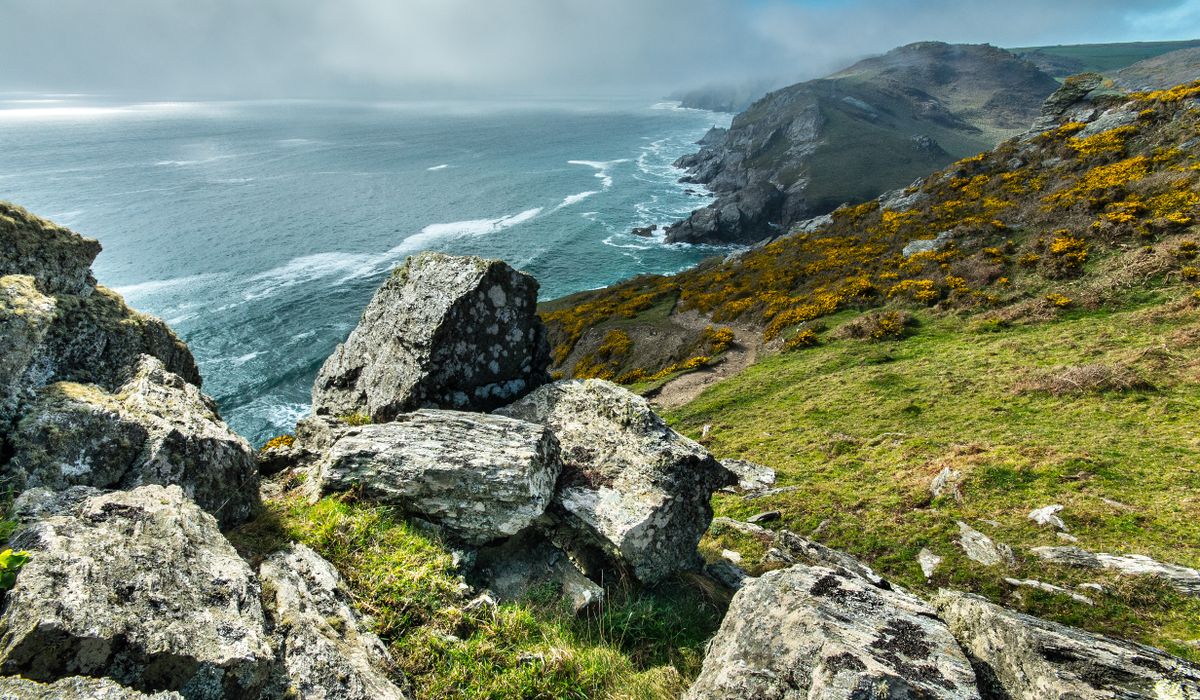
If you garden within sight or sound of the sea, you soon learn that the wind arrives with baggage. Salt-laden air is driven inland during gales, settling on leaves and stems, drawing moisture out of tissue and scorching anything tender. Add relentless wind, thin or free-draining soil, and summer drought on sandy ground, and many familiar border plants simply give up by July. The good news is that Britain has a superb native coastal flora that has evolved to shrug all of this off — and it happens to be brilliant for wildlife too.
The trick is to work with the conditions rather than fight them. Choose plants with grey, silvery or waxy foliage, small or needle-like leaves, and deep roots. Shelter is useful, but it must be permeable: a solid wall or fence creates damaging turbulence on its lee side, whereas a loose, breathing barrier slows the wind without whipping it into eddies.
Start With the Frontline Natives
Two plants will earn their place in almost any exposed coastal garden, and both are true British natives.
- Sea thrift (Armeria maritima) — tight cushions of dark green, grassy foliage topped with pink pom-pom flowers from May to July. It tolerates salt spray, wind, drought and poor soil, and it is a magnet for bees, hoverflies and the six-spot burnet moth. Plant it where it can bake.
- Sea campion (Silene uniflora) — a low, sprawling mat of blue-grey leaves with white, bell-shaped flowers that are gently night-scented, drawing in moths after dark. It looks wonderful spilling over gravel or a low wall, and it knits loose ground together.
Other natives worth seeking out include sea holly (Eryngium maritimum), sea kale (Crambe maritima) with its dramatic grey crinkled leaves, yellow horned poppy (Glaucium flavum), and sea lavender (Limonium species) for late-summer colour that holds well when dried. All are salt-proof and all give something back to insects.
Tamarisk: The Windbreak That Flowers
For structure and shelter, tamarisk (Tamarix gallica) is hard to beat on the coast. Its fine, feathery, grey-green foliage filters wind beautifully rather than blocking it, and in late summer it carries soft pink flower spikes that hum with bees. It is deciduous, deeply rooting and exceptionally tolerant of salt, making it one of the few small trees that genuinely thrives on an exposed shoreline plot.
Plant tamarisk as a loose hedge or a single specimen on the windward side, allowing at least two metres of clearance from a boundary so air can move around it. Prune lightly in early spring, removing only the oldest wood — heavy cutting back into bare stems encourages weak, whippy growth that snaps in a gale.
Plant in Groups, Not Singles
A lone sea thrift in a windy border will be battered and look lost. The same plant in a drift of seven will shelter itself, hold soil, and read as a confident sweep of colour. Grouping is not just aesthetic — it creates a pocket of calmer air around each plant and lets roots share moisture in free-draining ground.
- Plant in odd-numbered drifts of five, seven or nine.
- Space sea thrift about 30cm apart; give sea campion and sea lavender 40–45cm so they can spread without smothering neighbours.
- Repeat the same group at intervals along the border to lead the eye and create rhythm.
- Autumn is the ideal planting time, while the soil is still warm; early spring works well too. Choose a still, damp day rather than a windy one.
Mulch With Gravel, Water Deeply
A gravel mulch is the single best investment in a coastal garden. A 5–8cm layer of horticultural grit or pea gravel over the soil surface stops rain and spray splashing mud onto low foliage, keeps the crown of cushion plants dry and rots at bay, suppresses weeds, and warms the ground so plants get going earlier. It also gives ground-dwelling bees and basking insects somewhere to shelter.
When you plant, set each crown so it sits just proud of the gravel — never bury it. Then water thoroughly, and keep watering properly through the first two summers. A deep soak once or twice a week during dry spells is far more valuable than a daily sprinkle, because it drives roots downwards where the soil stays cool and moist. Water in the morning, and after a particularly salty gale, a gentle rinse with fresh water will wash the salt off the leaves and revive scorched foliage.
Let It Feed the Wildlife
Coastal native planting rewards you twice. Leave the seedheads of sea lavender and horned poppy standing through winter and goldfinches and linnets will work through them. Allow thrift and sea campion to sprawl a little rather than tidying them into submission — the untidy edges are exactly where insects shelter. Add a shallow dish of fresh water at ground level, refreshed often, and your exposed plot becomes a genuine haven: beautiful, resilient, and alive with the wildlife that belongs there.


Choose compact rosemary, thyme, and chives in deep pots. Shelter them behind a screen, water sparingly, and use gritty compost for sharp drainage.
Mix hawthorn, blackthorn, hazel, and field maple for year-round interest. Plant bare-root whips in winter and water well through the first summer.
Set aside ten quiet minutes to notice soil, scent, and birdsong. Leave the phone indoors and let simple garden tasks become a calming daily ritual.
Grow lungwort, primrose, and willow to feed queen bees emerging from hibernation. Plant in sunny clumps and avoid pesticides completely.