
Creating a Wildlife Pond for Frogs and Newts
Why a pond is the single best thing you can do for coastal wildlife
In a coastal garden — wind-bitten, sandy, salt-lashed — a pond can feel like an act of defiance. It is also one of the kindest things you can offer your local wildlife. Frogs, toads and our three native newts all need freshwater to breed, and standing freshwater close to the sea is genuinely scarce. Drainage, sea walls, golf courses and neat lawns have seen to that.
A well-made garden pond will be colonised surprisingly quickly. Insects arrive within weeks, frogs often within a year, newts when the planting has thickened up. The secret is to build it for amphibians rather than for looks, and to keep fish well away — fish eat spawn and tadpoles, and their waste smothers the plants that keep the water clear.
Choosing the spot: sun, shelter and salt
Pick somewhere that gets sun for at least half the day. Warm water means active insects, earlier spawn and healthier tadpoles. Avoid the deep shade of overhanging trees: leaves rot down and feed algae, and roots eventually find any liner.
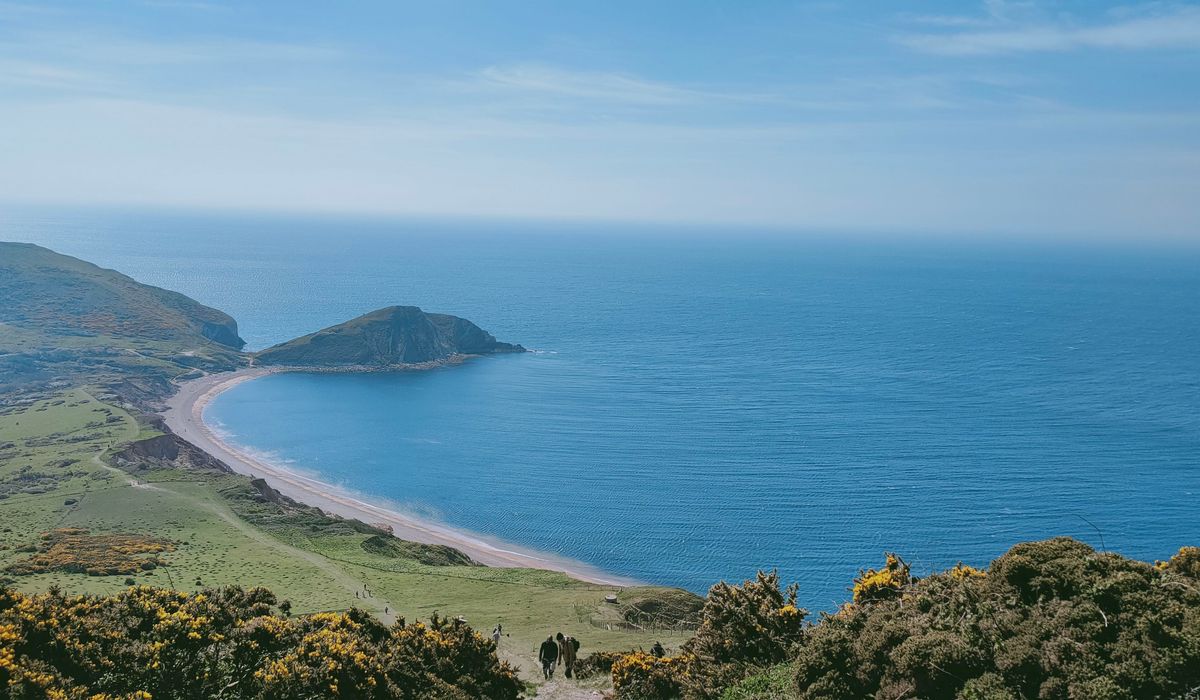
Coastal gardens have one extra enemy — salt spray. Site the pond at least a few metres back from the most exposed edge, and let a windbreak do the work: a mixed native hedge of hawthorn, blackthorn or elder, or a low bank of sea thrift, sea campion and kidney vetch. Shelter reduces evaporation in summer and keeps salt-laden gales from tipping over your water chemistry.
Before you dig, check whether great crested newts are known in your area. They are fully protected by law in the UK, and you should take advice before disturbing a pond or potential habitat.
Digging a pond that frogs and newts can actually use
The shape matters far more than the size. A shallow pond with gentle slopes lets amphibians walk in and out safely, and it is the single detail most garden ponds get wrong. Aim for generous shelves of 10–30cm around the edge, dropping to 60–75cm at the deepest point, with at least one side sloping in gently, roughly one in four, or shallower.
- Liner: butyl or EPDM rubber, at least 1mm thick, or clay puddling on heavy soil. Preformed rigid liners are usually too steep and too small.
- Water: fill from a water butt or a hose left to stand. Tap water's phosphates and chlorine feed algae and stress amphibians.
- No fish, no pump, no fountain. Still, fish-free water is what frogs and newts want.
- Escape routes: a shallow pebble beach, a half-submerged log for basking, and a stone ramp so hedgehogs and birds can drink without drowning.
- Patience: let it settle for a fortnight before planting. Wildlife will find it on its own — never move spawn or water between ponds, as ranavirus and chytrid fungus travel that way.
Native plants that do the heavy lifting
Oxygenators are the engine room. Plant hornwort, spiked water-milfoil, common water-starwort and water crowfoot. Their submerged foliage shelters tadpoles, houses invertebrate life, and gives female newts somewhere to lay — they wrap each egg individually in a folded leaf. They also compete with algae for nutrients, which is the most reliable way to keep the water clear.
Around the margins, choose British natives: water forget-me-not, brooklime, marsh marigold, water mint, ragged robin and lesser spearwort. Yellow flag iris is handsome but vigorous, so sink it in a basket. Emergent stems give froglets cover and give emerging dragonflies, damselflies and caddisflies something to climb.
Add a little surface cover — frogbit or broad-leaved pondweed — but keep a third of the water open to light. Avoid floating pennywort, New Zealand pygmyweed, water fern and parrot's feather entirely; they are invasive non-natives and illegal to plant in the wild.
Wild edges: the half of the pond you cannot see
Frogs and newts spend most of their lives on land, and this is where coastal ponds are usually let down. Leave an unmown strip of rough grass 30–60cm wide right around the water, and resist strimming it from spring to late summer — amphibians sit tight in long grass and do not run.
Beyond that, build habitat:
- Log piles and brash heaps in damp shade — newts shelter under them for much of the year.
- Leaf litter and loose stones along the boundary, plus a hedge or rough bank to travel along.
- A shallow dish of rainwater with pebbles as a drinking station for birds and hedgehogs.
- Standing seedheads and hollow stems left over winter for emerging insects and overwintering larvae.
Looking after it through the year
Spring is the season to do nothing at all. Watch for spawn: frogs leave clumps, toads leave strings, newts fold single eggs into leaves. In summer, top up with rainwater in dry spells, slowly, and pull blanketweed out by hand with a stick rather than reaching for chemicals. Autumn means netting a little excess leaf fall from the surface — but leave some, as the invertebrates in the silt are food for next year's tadpoles.
In winter, frogs overwinter in the mud at the bottom, so never break ice with a hammer; the shock can kill them. Melt a hole instead by standing a pan of hot water on the surface. Keep fertilisers, herbicides and pesticides well away from the pond and its surrounds, and mind any run-off from neighbouring ground.
Then simply wait. A coastal pond is slow to start and barely needs you after that — and one spring evening, when the air fills with croaking and the first newt surfaces for a gulp of air, you will know the salt wind was never really the obstacle.


Sea thrift, sea campion, and tamarisk cope with salt spray and strong winds. Plant in groups, mulch with gravel, and water deeply during dry spells.
Sandy soil drains quickly but loses nutrients. Spread well-rotted manure or garden compost each autumn and avoid digging to build structure and water retention.
Choose compact rosemary, thyme, and chives in deep pots. Shelter them behind a screen, water sparingly, and use gritty compost for sharp drainage.
Mix hawthorn, blackthorn, hazel, and field maple for year-round interest. Plant bare-root whips in winter and water well through the first summer.