
How to Grow Native Gorse in Coastal Gardens
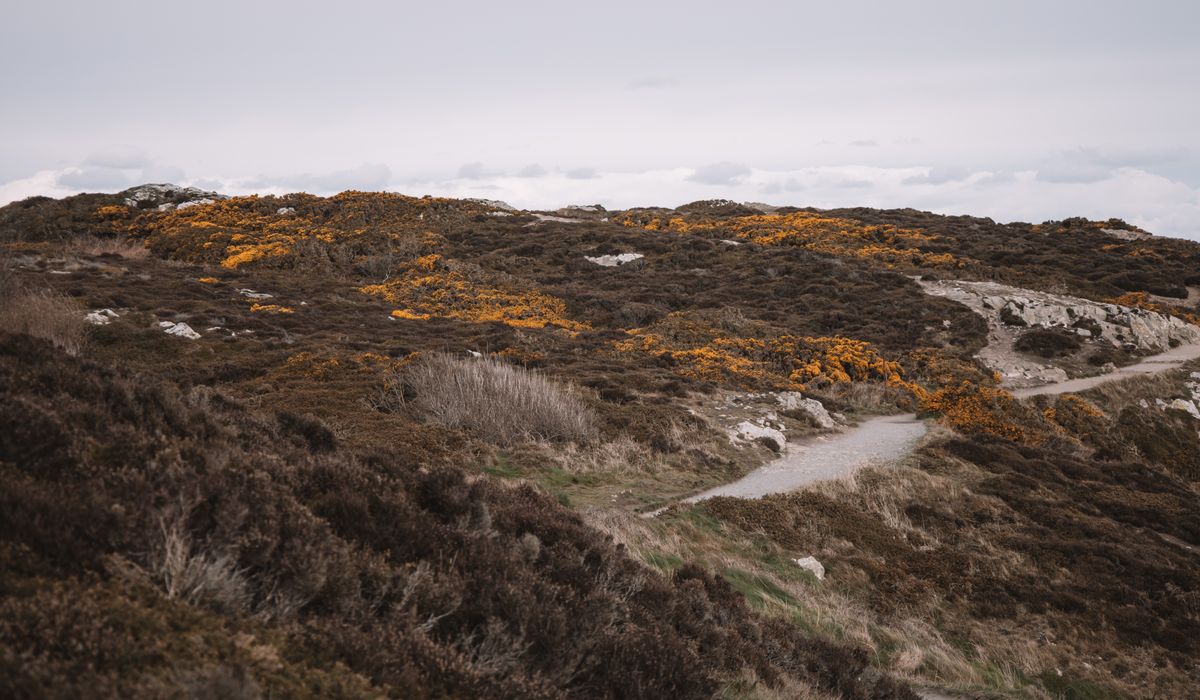
Why Gorse Earns Its Place in a Coastal Garden
Gorse is one of those plants that divides opinion. To some it is a spiny thug; to anyone who has stood beside a cliff-top bush on a bright March morning, listening to the hum of early bees, it is indispensable. Common gorse (Ulex europaeus) is native to the UK and superbly adapted to the exposed, salty, free-draining conditions that coastal gardens throw at it. It shrugs off wind, tolerates drought, and flowers when almost nothing else does.
For wildlife, the value is hard to overstate. The pea-like yellow flowers open from late winter into early summer, providing nectar and pollen for queen bumblebees emerging from hibernation, honeybees and solitary bees at a time when little else is in bloom. The dense, thorny framework is a favourite nesting site for linnets, whitethroats and stonechats, and the seeds are eaten by finches. Like other members of the pea family, gorse also fixes nitrogen in root nodules, quietly improving thin, hungry soil for the plants around it.
Choosing the Right Gorse for Your Plot
There are three native gorses, and picking the right one saves a great deal of regret later.
- Common gorse (Ulex europaeus) — the big one, reaching 2–3 metres in time. Best for a windbreak, a boundary hedge or a large garden. Main flush of flowers February to May, with a scatter in autumn.
- Western gorse (Ulex gallii) — lower and more sprawling, around 60–150cm, flowering August to October. Excellent for western coastal gardens and heathland planting.
- Dwarf gorse (Ulex minor) — a compact 30–60cm, flowering July to September. The sensible choice for small plots and front-of-border positions.
Western and dwarf gorse need acid soil, so they suit sandy heathland plots rather than chalky or lime-rich ground. Common gorse is the most forgiving and will cope with a wider range, though it still resents heavy clay. Small plants establish far better than large specimens, and seed germinates readily if you soak it in hot water first to break the hard coat — though it will take a few years to reach flowering size.
Planting: Sun, Sand and a Sheltered Start
Gorse wants full sun, and it wants poor ground. This is the single most common mistake: treating it like a border shrub and pampering it. Rich compost, manure or regular feeding produces soft, leggy, short-lived plants that flower poorly and flop open in the wind.
Choose a spot in full sun with at least six hours of direct light. Plant in autumn or early spring, when the soil is moist but not cold and sodden. Dig a hole only slightly wider than the rootball — no deeper, no wider. Backfill with the soil you removed, improved with a little grit or coarse sand if it is at all heavy. Do not add compost to the planting hole.
Shelter matters for the first two or three years. Young gorse can be scorched by salt-laden gales, so site new plants behind a low fence, a bank, or a temporary windbreak of woven hazel. Once established, salt and wind are no problem at all. Space plants 1.5–2 metres apart for a hedge, or allow 2–3 metres for a specimen that can spread naturally. Water through the first two summers during dry spells, then stop. After that, rainfall alone is enough.
Looking After Gorse: Light Pruning and Restraint
Gorse needs very little from you beyond an annual tidy. Left alone it becomes bare and woody at the base, so light, regular pruning keeps it dense and flowering freely.
Cut back the flowered shoots by about a third immediately after the main flush — late May or June for common gorse, September for western and dwarf gorse. Use sharp secateurs and work around the bush rather than shearing the top flat, which can leave an ugly, boxy silhouette. Never cut into old, bare, leafless wood: gorse rarely regenerates from it, and you will be left with permanent stumps.
One important caveat: gorse is a nesting site, and the law protects active nests of wild birds. If you find a nest in spring or early summer, delay pruning until September. Better still, prune in alternate years and leave some bushes untouched as permanent cover.
Wild Neighbours: Planting Gorse with Other Natives
Gorse looks at its best in a matrix of other coastal natives, and its nitrogen-fixing roots make it a useful nurse plant. Good companions include sea thrift, sea campion, wild carrot, viper's bugloss, sea holly, marram grass and tufted hair grass. These low, clump-forming plants fill the gaps beneath the gorse and hide its bare ankles, while providing additional nectar and seed for wildlife.
For a boundary hedge, combine common gorse with hawthorn, blackthorn or wild privet. For a heathland corner, try dwarf gorse with heather, bell heather and tormentil. In all cases, keep a strip of rough, unstrimmed ground at the base — this is where ground beetles, lizards and slow worms will shelter.
Practical Points: Thorns, Fire and Space
Two safety considerations deserve a mention. First, gorse thorns are formidable and can cause nasty scratches, so plant it away from narrow paths, play areas and anywhere you brush past regularly. Wear thick gloves and eye protection when pruning. Second, gorse is highly flammable, especially in dry coastal spells. Keep it at least five metres from buildings, sheds, fences and anything containing a barbecue or fire pit, and avoid a solid wall of gorse against a boundary.
Give it room, resist the urge to feed it, and prune lightly but regularly. In return you will have a wind-proof, salt-proof, bee-filled plant that belongs exactly where you have put it.


Prune hazel and hawthorn in late winter, while spring-flowering shrubs prefer trimming after blooms fade. Always check for nesting birds before cutting.
Sea thrift, sea campion, and tamarisk cope with salt spray and strong winds. Plant in groups, mulch with gravel, and water deeply during dry spells.
Sandy soil drains quickly but loses nutrients. Spread well-rotted manure or garden compost each autumn and avoid digging to build structure and water retention.
Choose compact rosemary, thyme, and chives in deep pots. Shelter them behind a screen, water sparingly, and use gritty compost for sharp drainage.