
Mindful Gardening: Connecting with Nature Daily
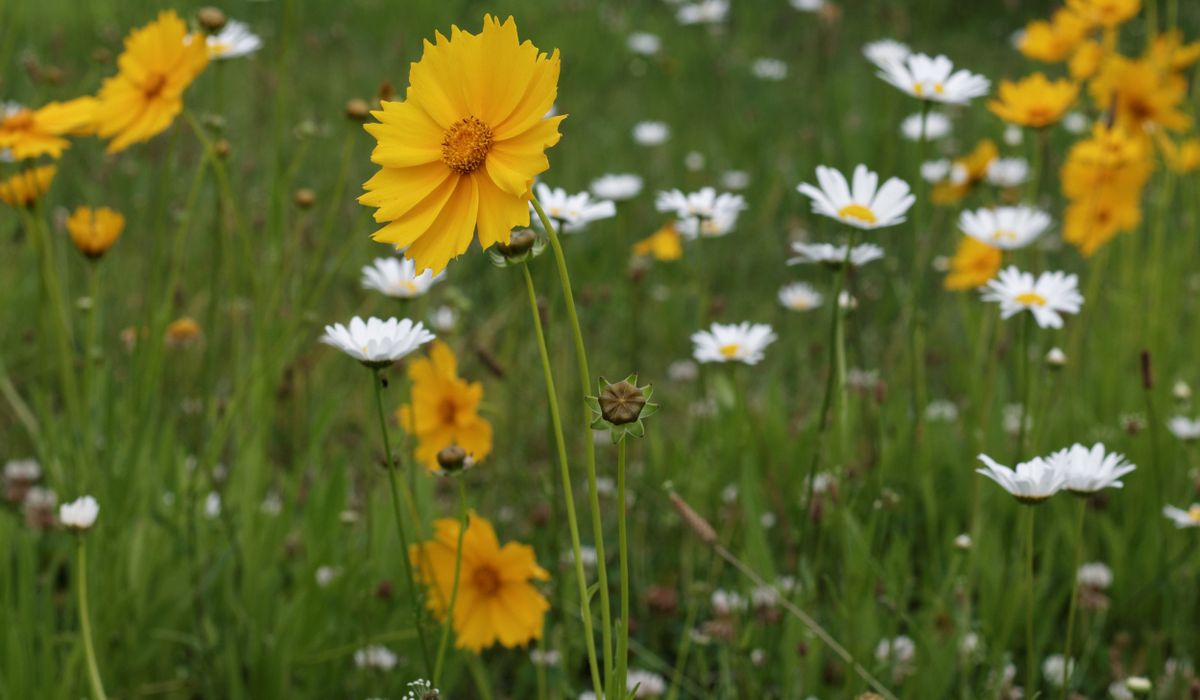
Most of us check a screen before we have properly opened the curtains. The garden, meanwhile, has been working through the night: roots easing into cool soil, snails crossing damp paths, the first blackbird singing long before the kettle goes on. Ten minutes outside, phone left on the kitchen table, is enough to meet the day on gentler terms. It isn't another job to tick off. It's a small daily ritual — and a coastal garden, with its salt wind and shifting light, is one of the best places to keep it.
Begin with the soil beneath your feet
Before you look at a single plant, look down. Coastal ground tends to be thin, free-draining and often alkaline, built on sand, shingle, chalk or shell grit, and it dries out fast in an easterly breeze. Knowing that saves you endless struggle later. Spend your first quiet minute just reading it.
- Crush a pinch of soil between finger and thumb. Gritty and sharp, falling apart rather than clumping, means fast drainage — choose plants that relish it rather than fighting the conditions.
- Count the worm casts on a square foot of border or lawn. Plenty of casts suggests healthy, living soil; none at all is worth investigating.
- Push a finger in up to the second knuckle. Cool and slightly damp is ideal. Bone dry after a windy week tells you watering needs to happen at the roots, not over the leaves.
Doing this by hand, rather than reaching straight for a fork, slows the breath and gives you information no app can match.
Let scent anchor the moment
Wind off the sea carries fragrance further than still air, so plant scented natives along the routes you walk daily. Brush past wild thyme or wild marjoram and the oils release on contact. Sea campion offers a faint sweetness at dusk; honeysuckle and dog rose perfume the evening. Crushing a single leaf between your fingers — lemon balm, betony, a sprig of meadowsweet — is a two-second act that resets an anxious afternoon. Notice, too, the smell of rain arriving on warm shingle, that earthy scent after a long dry spell. It is one of the oldest calming signals there is.
Native plants worth ten minutes of looking
British natives earn their place in a coastal garden because they evolved for salt, exposure and drought. They also feed wildlife far better than most bedding plants.
- Thrift (Armeria maritima) — tight pink cushions that shrug off spray and flower from April.
- Sea campion (Silene uniflora) — white nodding bells, ideal for a windy ledge.
- Yellow horned-poppy (Glaucium flavum) — grey foliage and papery gold flowers, happiest on shingle.
- Viper's bugloss (Echium vulgare) — a magnet for bumblebees right through summer.
- Kidney vetch (Anthyllis vulneraria) — yellow slippers of flower and the larval food plant of the small blue butterfly.
- Sea holly (Eryngium maritimum) — metallic blue thistles that hold their shape into winter.
- Wild marjoram, betony and field scabious — a late-summer nectar table for bees, hoverflies and moths.
Small tasks as daily anchors
Give one task your whole attention rather than half-doing three. That is the difference between chores and ritual.
- Weed by hand for ten minutes, feeling for the root before you pull. It is repetitive, undemanding and oddly meditative.
- Deadhead with thumb and forefinger, dropping spent blooms into a bucket. Leave a few seedheads standing for the birds.
- Water at the base with a can at dusk, when less is lost to evaporation. Watch how the soil darkens and settles.
- Collect ripe seed into paper envelopes, labelling them as you go. A winter's sowing starts with a calm September afternoon.
Who arrives when you sit still
Wildlife returns to a garden that is quiet and unhurried. Leave a patch of bare, sandy ground and solitary mining bees will nest there; red mason bees and leafcutter bees will trim neat crescents from your rose leaves. Hoverflies hover over marjoram, six-spot burnet moths cling to knapweed, and common blue, small blue and gatekeeper butterflies work the borders on still, sunny mornings. Linnets strip seeds from teasel and scabious if you resist the autumn tidy-up. Coastal gardens bring their own chorus: stonechats and rock pipits on the fence line, oystercatchers calling over the water, herring gulls wheeling. Turn a piece of dark slate or a sheet of corrugated metal and you may find a slow worm or a common lizard basking underneath. Leave a gap in the fence and hedgehogs will patrol at dusk — provided you never use slug pellets.
Keeping the ritual when the weather turns
Coastal weather tests any habit. Salt spray scorches tender leaves, gales snap stems, and a wet week can keep anyone indoors. Go out anyway, in wellies, for ten minutes. In winter there is structure to admire: seedheads rimed with frost, marram grass bending in a sou'wester, the shape of the garden laid bare. Notice what survives and plant more of it. The aim is not a perfect border or a finished list. It is simply to stand in the same place at roughly the same time each day and pay attention. Soil, scent, birdsong — three things that cost nothing and ask only that you leave your phone inside.


Leave seed heads for birds, build a log pile for beetles, and plant spring bulbs. Resist tidying too much and let leaves feed the soil.
Sea thrift, kidney vetch, and sea campion suit free-draining gravel. Sow seeds in autumn, keep seedlings moist, and avoid rich fertiliser.
Collect fallen leaves in autumn, store them in a wire bin, and keep them damp. After a year, use the crumbly leaf mould as mulch or seed compost.
Choose compact wildflowers like cowslip, foxglove, and betony. They attract pollinators, tolerate shade, and fit neatly into pots or narrow borders.