
Maintaining a Mixed Native Hedge Through the Seasons
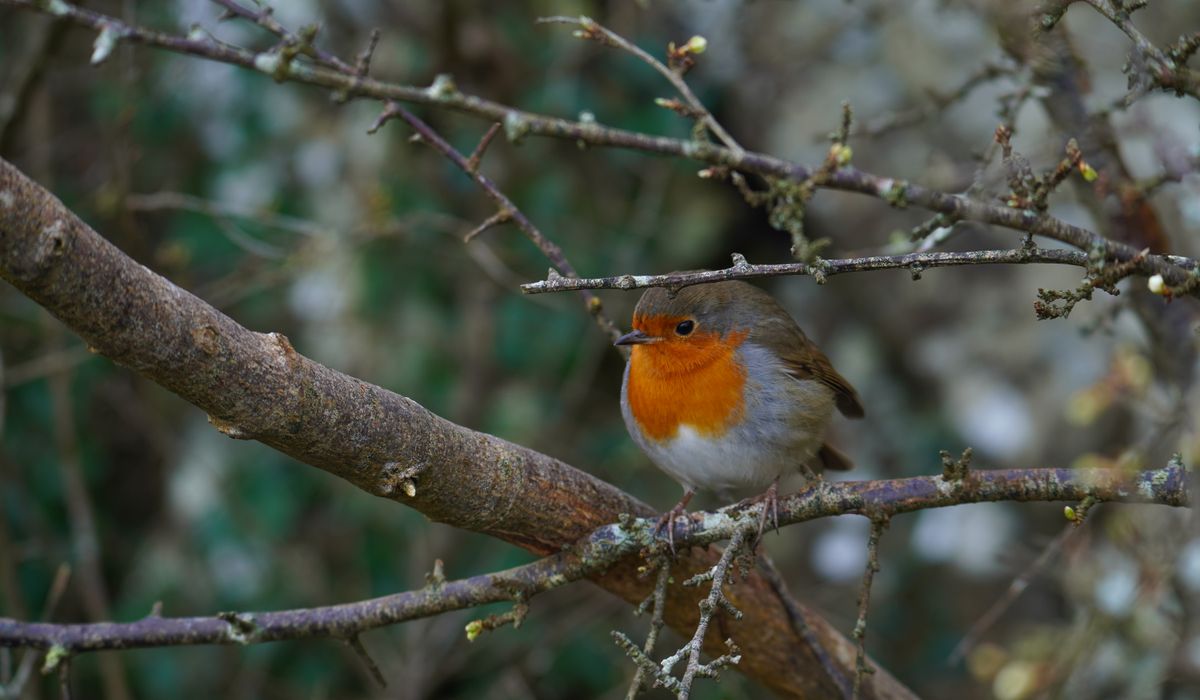
A hedge that does more than mark a boundary
In an exposed coastal garden, a mixed native hedge is the hardest-working structure you can plant. It filters salt-laden wind rather than stopping it dead, which means less windrock on your shrubs, less scorch on your perennials, and a calmer microclimate a few metres in. It also gives you blossom for early bees, hips and haws for winter thrushes, and dense twiggy cover for nesting birds.
But a mixed hedge is not a privet block. Hawthorn, blackthorn, hazel, field maple, guelder rose, dog rose, wild privet and sea buckthorn all grow at different speeds and flower and fruit on their own timetables. They reward a lighter, more thoughtful hand — and a fair bit of patience.
Spring: keep your hands in your pockets
From March through to the end of August, put the hedge trimmer away. This is nesting season, and a mixed hedge is prime real estate: dunnocks, robins, blackbirds and whitethroats will all tuck a nest into the tangle. Cutting now risks destroying nests and leaves young birds exposed to the weather and to cats.
What you can usefully do in spring:
- Water any whips planted last winter if there is a dry fortnight, especially on sandy coastal soil.
- Check tree ties and stakes on older specimens; loosen anything that is starting to pinch.
- Hand-pull or hoe competing grass and weeds within 45cm of the hedge line.
- Snip a single wayward shoot by hand if it is genuinely in the way of a path — nothing more.
If you have inherited a hedge that was flailed flat every year, resist the urge to renovate it all at once. Wildlife needs somewhere to be while the rest recovers.
Late summer to early autumn: the light trim
Once the last broods have fledged and the hedge has stopped pushing new growth, usually from early September, you can shape it. The key word is light. Take off this season's soft growth, not the older wood — you are tidying, not remodelling.
Aim for a slightly battered profile: wider at the base, narrower at the top. That lets light reach the bottom of the hedge, which keeps it leafy all the way down instead of going bare and leggy.
And please avoid cutting all sides in one go. Work in stages. Cut one face this year and leave the other two alone, then swap next year. A staggered cut means there is always some cover, some hips and some seed heads left standing. It also cuts your workload in half and produces a hedge that looks grown rather than shaved.
If berries matter more to you than a crisp outline — and on the coast they should — leave the fruiting sides until late winter and accept a slightly looser shape.
Autumn: mulch generously, fill the gaps
Autumn is the season for feeding the soil. Spread a 5–7cm layer of well-rotted manure or composted bark along the hedge line, roughly 45–60cm wide. Keep it clear of the stems by a hand's width so nothing rots at the collar. On thin, free-draining coastal ground, this mulch is not a luxury — it is the difference between a hedge that thrives and one that merely survives.
While you are out there, look honestly at the gaps. A gap in a hedge is a wind tunnel, and it undermines the whole shelter belt. Mark them now, then fill them from November onwards.
- Sea buckthorn and wild privet for the windward end.
- Hawthorn and blackthorn for thorny, bird-friendly bulk.
- Hazel and field maple for structure and autumn colour.
- Guelder rose and dog rose for flowers and hips.
Winter: bare-root whips and hard decisions
From November to March, whenever the ground is neither frozen nor waterlogged, you can plant bare-root whips. They are cheap, establish faster than container-grown stock and come in the sizes that suit a mixed hedge.
Plant in a staggered double row about 30–45cm apart, with 40cm between the rows. Check the soil mark on the stem and plant to the same depth, firm in well, and water. A spiral guard will see off rabbits, and a temporary windbreak net on the seaward side will get young whips through their first winter.
Late winter is also the moment for structural work — but only ever on a section. Cut back a third of a neglected hedge each year, choosing the toughest species first. Hazel, field maple and hawthorn coppice willingly. Holly and wild privet are slower and need a gentler approach.
Fine-tuning through the years
A mixed hedge takes five to ten years to hit its stride, so think in cycles rather than annual tidying. Alternate which side you cut. Let a few stems grow tall and flower and fruit. Leave the leaf litter and seed heads at the base for beetles and hedgehogs, and leave ivy alone unless it is smothering something you value.
If you want to extend the hedge without buying anything, try layering: bend a low, flexible stem down, pin it into the soil and let it root before severing it from the parent. It is free, it works beautifully with hazel and guelder rose, and it keeps the same local genetics going.
The birds, moths and pollinators will find your hedge long before it looks finished. Plant it, mulch it, cut it lightly and in stages, and it will shelter your whole garden for decades.


Create a hedgehog highway with a gap in fencing, leave leaf piles, and put out shallow water. Avoid slug pellets and check before strimming.
Prepare bare soil, mix yellow rattle with native seed, and press gently. Keep the area watered until roots establish, then mow lightly.
Use free-draining gravel over sand or grit, then plant sea holly, thrift, and fescue. Space plants widely and avoid adding rich compost.
Test soil pH with a simple kit before choosing plants. Most British natives prefer neutral to slightly acid soil, though some thrive on chalk.