
Why Most Casino Players Lose (And How the Smart Ones Don't)
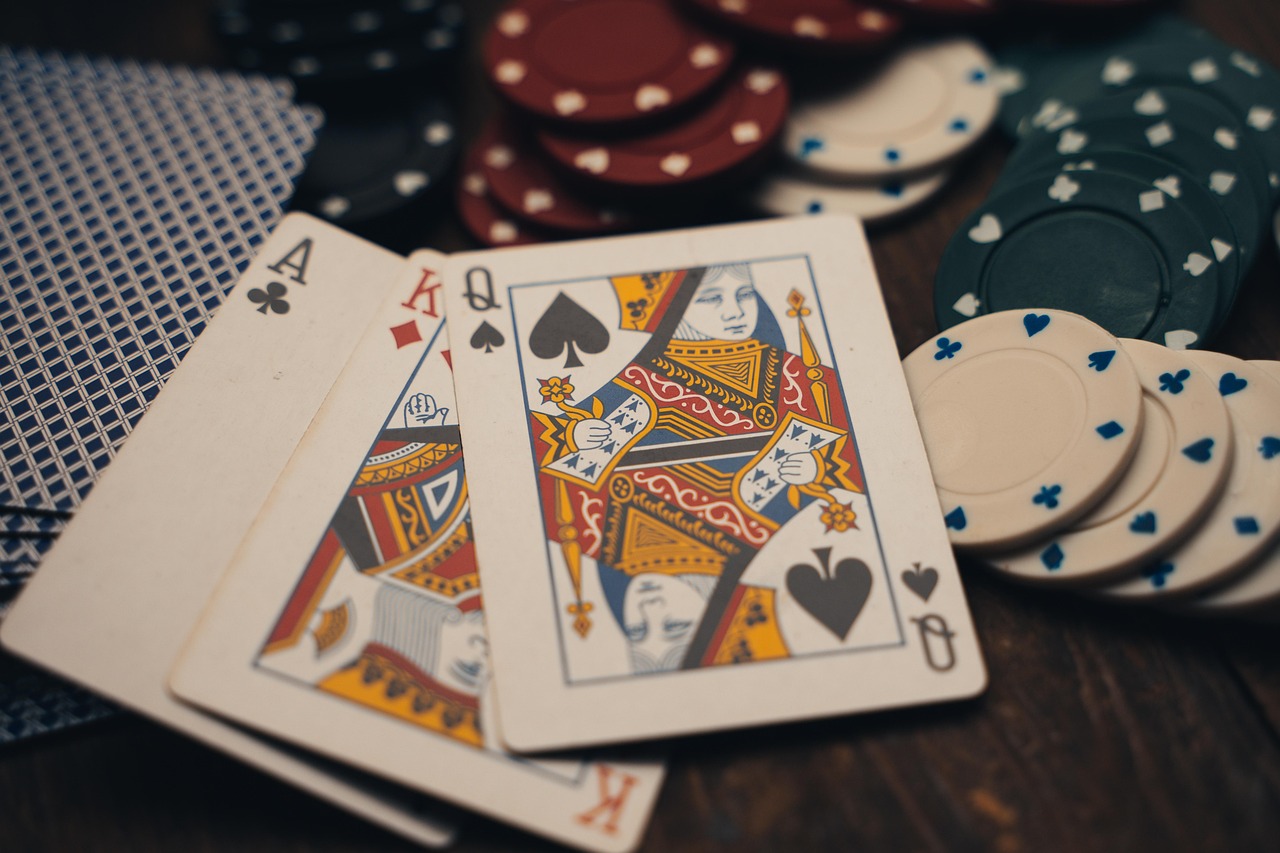
Ask ten gamblers why they play and you'll get ten different answers: the thrill, the comps, the chance to turn twenty bucks into two thousand. Ask them why they lose and the answers get vaguer. Luck, they'll say. The house always wins. But spend enough time around professional poker players, advantage slots hunters, and sports bettors who actually turn a profit, and a different picture emerges. Most losses aren't bad luck. They're the predictable result of choices made long before a single card is dealt or a reel spins.
The House Edge Is Real, but It's Not Uniform
Every casino game carries a built-in advantage for the operator. That's not a conspiracy, it's arithmetic. What surprises most casual players is how wildly that edge varies from one game to the next.
- Blackjack with basic strategy: roughly 0.5% house edge
- Baccarat (banker bet): about 1.06%
- European roulette: 2.7%
- American roulette: 5.26% (that extra double-zero is brutal)
- Three-card poker: 2% to 7% depending on the variant
- Keno: often 25% to 35%
- Penny slots: frequently 8% to 12%, sometimes worse
Look at those numbers side by side and the strategy writes itself. A player grinding $500 through American roulette is donating more than ten times what a basic-strategy blackjack player would lose on the same action. Same bankroll, same evening, dramatically different expected outcome. The smart players aren't luckier. They're just playing games where the math doesn't gut them.
This is also why experienced players avoid side bets like the plague. The "perfect pairs" or "21+3" wagers sprinkled across blackjack tables look fun and pay big, but their house edges often sit between 5% and 10%. They're the casino's favorite invention since the buffet.
Slots: Where Volatility Matters More Than RTP
Slot players obsess over RTP, or return to player. A 96% RTP slot sounds great next to a 92% one, and over millions of spins it is. But RTP tells you almost nothing about what a single session will feel like. That's where volatility comes in.
Low-volatility slots pay small amounts frequently. You can stretch a $100 bankroll for hours on one. High-volatility slots like Book of Dead or Money Train can eat your balance in twenty minutes and then hand you a 2,000x win on the twenty-first. Neither is "better." They suit different temperaments and bankrolls.
The practical mistake most players make is mismatching their bankroll to the slot's volatility. If you're playing a high-volatility game with fifty spins' worth of cash, you're not gambling, you're buying a lottery ticket with extra steps. A sensible rule: your bankroll should cover at least 200 to 300 spins on a high-volatility slot if you want a realistic shot at hitting that big feature. You can read more about it on tải king88.
Another thing experienced slot players do: they check the paytable before spinning. Not just the top prize, but the symbol values and how the bonus triggers. A slot where the max win requires landing five scatter symbols on a specific payline plays very differently from one triggered by three scatters anywhere. Knowing that changes how you size your bets.
Poker Is the One Game Where Skill Beats the House
Here's what separates poker from everything else in a casino: you're not playing against the house. You're playing against other people, and the house just takes a rake. That means a skilled player can genuinely win long-term, which is essentially impossible at roulette or slots.
But that also means most players lose to other players, not to bad luck. The leaks are consistent and well-documented:
- Playing too many hands. Beginners see a flop with 40% of their starting hands. Solid players hover around 20% to 25% in full-ring games.
- Ignoring position. Acting last is a massive edge. Hands that are unplayable under the gun become profitable on the button.
- Chasing draws without pot odds. If you need a 4:1 card to come and you're only getting 2:1 on your money, you're bleeding chips.
- Tilting after a bad beat. The single fastest way to turn a small loss into a stack-killer.
- Not adjusting to opponents. The same strategy that beats a table of calling stations loses to a table of aggressive regulars.
Poker rewards study in a way no other casino game does. Solvers, tracking software, and hand-history review have turned the game into something closer to chess than craps. That's either thrilling or exhausting depending on your disposition.
Betting: The Market Is Smarter Than You Think
Sports betting has exploded in popularity, and with it a flood of people who believe they've spotted something the bookmakers missed. Occasionally they have. Usually they haven't.
Modern sportsbooks price markets using algorithms that incorporate decades of data, injury reports, weather, travel schedules, and public betting patterns. The closing line is remarkably efficient. Beating it consistently requires either genuine information advantage, sharp mathematical modeling, or exploiting promotional offers.
Where smart bettors actually find edges:
- Line shopping. Getting -105 instead of -110 on the same bet is worth more over a year than most people's winning picks.
- Bonus and promo abuse. Risk-free bets, deposit matches, and odds boosts are effectively free expected value if you use them properly.
- Specializing. A bettor who follows one league obsessively beats a generalist who bets everything.
Chasing parlays and same-game multis is the retail bettor's version of playing keno. They're fun, they're marketed heavily because they're profitable for the book, and they almost never pay off in the long run.
The Uncomfortable Truth About Discipline
Every strategy in the world collapses if you don't stick to it. Set a loss limit before you play, not after you're down three buy-ins. Decide your bet sizing in advance. Walk away when you hit your target, not when you've given it all back trying to win "one more."
The players who last aren't the ones with secret systems. They're the ones who treat gambling as entertainment with a cost, not as an income source they're owed. They know the house edge is a slow tax, and they pay as little of it as possible by choosing better games, better bets, and better bankroll management.
None of this guarantees a win. Nothing does. But it stacks the odds just a little less cruelly against you, and over hundreds of sessions, that's the difference between the players who are still having fun and the ones who quietly stopped opening the app.
Final Thought
Casinos and sportsbooks are engineered to be profitable. That's fine. It's the deal. But within that deal there's a huge range of outcomes depending on how you play, and most people never bother to learn where the good side of the range sits. The gap between a 0.5% edge and a 12% edge is the difference between a hobby and a hemorrhage. Learn the math, pick your spots, and walk in knowing exactly what you're paying for the ride.


Prune hazel and hawthorn in late winter, while spring-flowering shrubs prefer trimming after blooms fade. Always check for nesting birds before cutting.
Sea thrift, sea campion, and tamarisk cope with salt spray and strong winds. Plant in groups, mulch with gravel, and water deeply during dry spells.
Sandy soil drains quickly but loses nutrients. Spread well-rotted manure or garden compost each autumn and avoid digging to build structure and water retention.
Choose compact rosemary, thyme, and chives in deep pots. Shelter them behind a screen, water sparingly, and use gritty compost for sharp drainage.